

Even in milder climates, winter can bring higher electricity bills — and for South Austin renters, heating, lighting, and everyday appliance use often account for a large portion of monthly utility costs. Shorter days, colder nights, and more time spent indoors can quietly drive energy use up.
The good news? You don’t need major upgrades or lifestyle changes to save money. With a few smart, winter-specific adjustments, renters can reduce electricity usage while staying warm and comfortable.
Below are practical, renter-friendly tips to help lower your electric bill during the colder months.

1. Be Mindful of Winter Energy Use
During winter, heating systems and indoor lighting tend to run more frequently. Even small habits — like leaving lights on or running electronics unnecessarily — can add up.
Common winter energy drains include:
-
Space heaters and electric heating systems
-
Lights used more often due to shorter daylight hours
-
TVs, computers, and gaming systems used while spending more time indoors
Turning off lights when leaving a room, unplugging unused electronics, and using power strips can help reduce unnecessary energy consumption.
2. Use Heating Efficiently
Heating is often the biggest contributor to winter electricity bills. While temperatures in South Austin are generally moderate, cold snaps can still cause heating systems to run more than expected.
To improve efficiency:
-
Keep doors and windows closed to retain warm air
-
Avoid setting the thermostat higher than necessary
-
Dress in warm layers to reduce reliance on heating
Consistent, moderate thermostat settings are typically more energy-efficient than frequent adjustments.
3. Switch to LED Lighting
With fewer daylight hours in winter, lighting usage naturally increases. Switching to LED light bulbs is one of the easiest ways renters can reduce electricity costs.
LED bulbs:
-
Use significantly less electricity
-
Last much longer than traditional bulbs
-
Produce less heat while providing strong light
Replacing frequently used bulbs can lead to noticeable savings throughout the winter months.
4. Change Air Filters Regularly
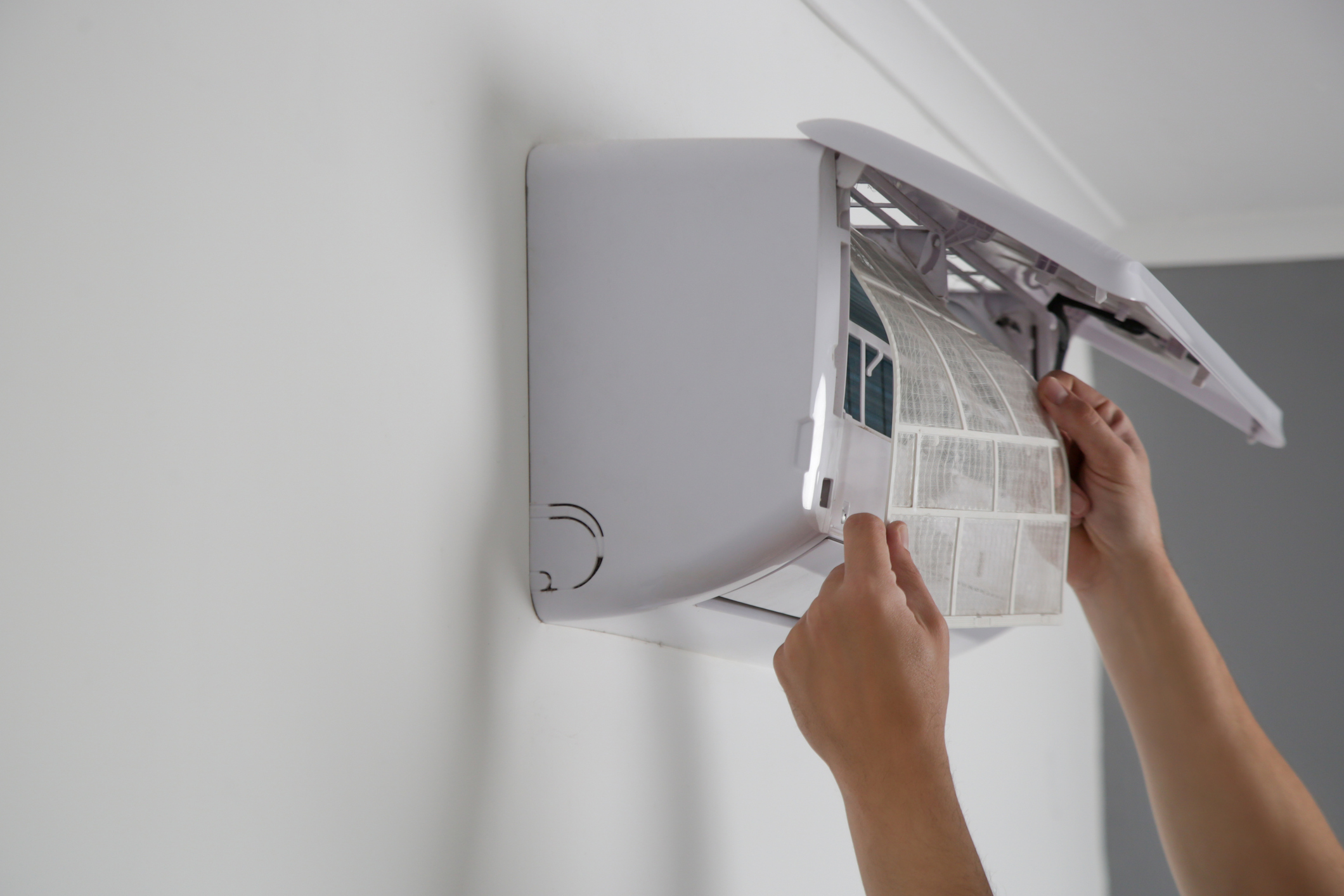
If your rental home has a furnace or central heating system, a clean air filter is essential. Dirty filters restrict airflow, forcing the system to work harder and use more electricity to heat the home.
Regular filter changes help:
-
Improve heating efficiency
-
Maintain consistent indoor temperatures
-
Reduce strain on HVAC systems
-
Lower monthly energy costs
5. Wash Laundry in Cold Water
Cold weather often means more laundry — heavier clothes, blankets, and layers. Washing laundry in cold water helps reduce the energy used to heat water.
Cold-water washing:
-
Uses significantly less electricity
-
Is gentler on winter clothing
-
Helps lower overall utility costs
Air-drying clothes indoors when possible can also reduce dryer usage.
6. Adjust Dishwasher Settings
During winter, dishwashers may be used more often with families spending more time at home. Using energy-efficient settings can make a difference.
-
Use shorter or eco cycles when available
-
Choose the air-dry option instead of heat-dry
-
Run full loads rather than partial ones
These small changes can reduce energy use one cycle at a time.
7. Keep Warm Without Wasting Energy
Staying warm doesn’t have to mean higher electric bills. A few simple strategies can help retain heat naturally:
-
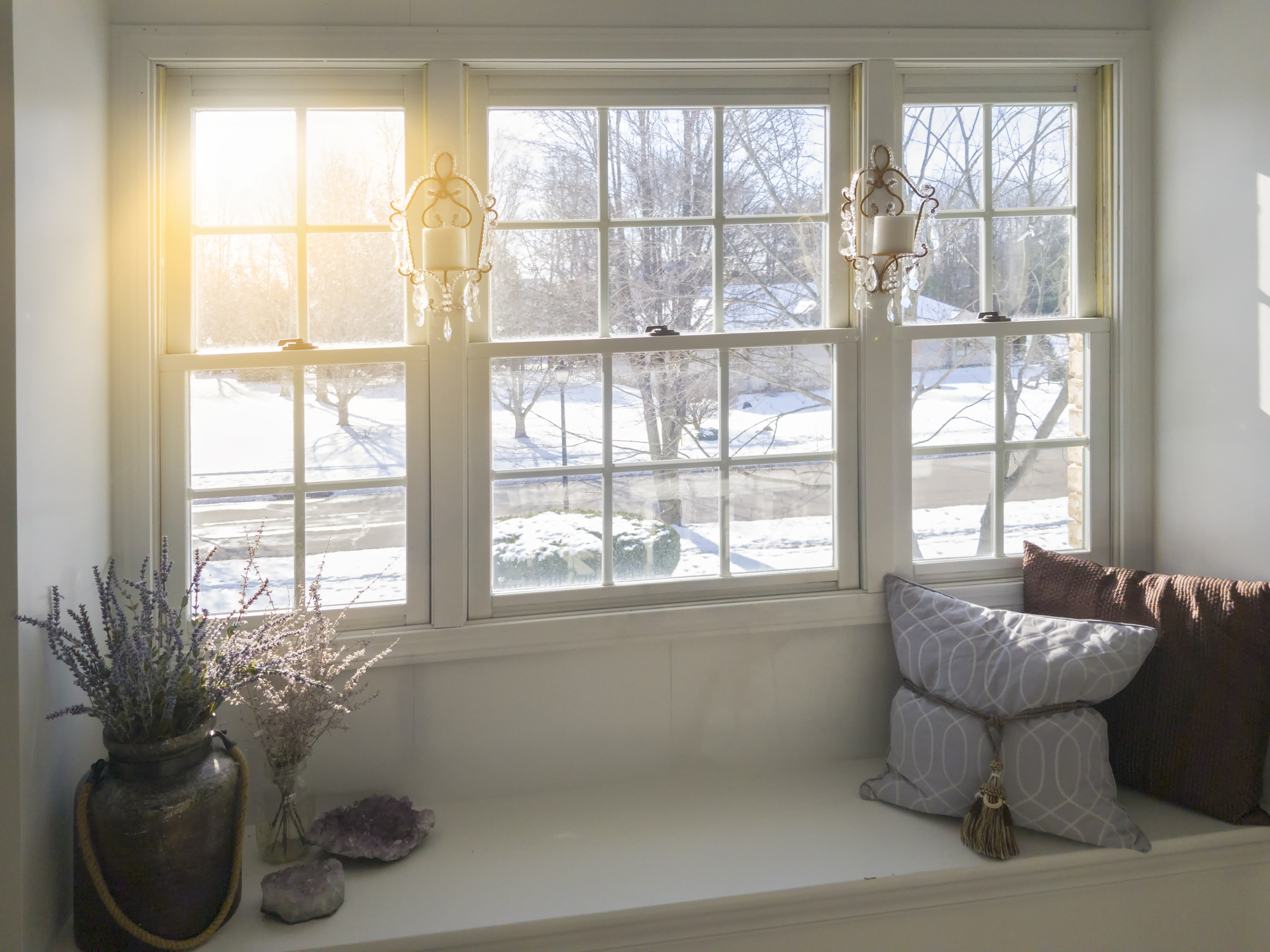
Close blinds and curtains at night to reduce heat loss
-
Let sunlight in during the day to naturally warm rooms
-
Use area rugs to help insulate floors
-
Seal drafts around doors and windows when possible
These habits help your heating system work more efficiently while keeping your space comfortable.
Looking for a More Energy-Efficient Rental in South Austin?
Energy-efficient features can make a noticeable difference in winter utility costs.
Are you in the market for a more energy-efficient rental home in South Austin? Contact us today and find out what rentals we have available!
This content is provided for general informational and educational purposes only and does not constitute financial, legal, tax, or investment advice. Readers should consult with licensed professionals regarding their specific circumstances.
We are pledged to the letter and spirit of U.S. policy for the achievement of equal housing opportunity throughout the Nation. See Equal Housing Opportunity Statement for more information.
